
Life
September 15, 2026 | Volume 10, Number 9
Are You Prepared for the Next Big Emergency?
By Hacienda Pulse Staff Writer
Wildfires and earthquakes are two of the top natural disaster concerns for Californians but in the hustle and bustle of everyday life when the elements of Mother Nature are calm, it can be easy for emergency preparedness strategies to end up falling low on the mental priority list.
Luckily, the Tri-Valley municipalities and emergency responders make resources for all types of major emergencies easily accessible online to help keep people’s homes, businesses and families safe.
In addition to local efforts, there are statewide and national initiatives to remind people what to do in emergencies, such as The Great California Shakeout – an annual statewide earthquake drill held in October, that serves as an opportunity to test your disaster preparations.
This year's International ShakeOut Day is October 15, when millions of people worldwide will participate in earthquake drills at work, school or home.
At 10:15 a.m. (local time) on October 15, millions of people across California will be practicing earthquake safety together.
The shakeout website offers a number of items to help companies participate, including fliers in a number of languages, instructions on setting up an earthquake drill, and recordings that can be played over a building’s intercom system as part of a drill.
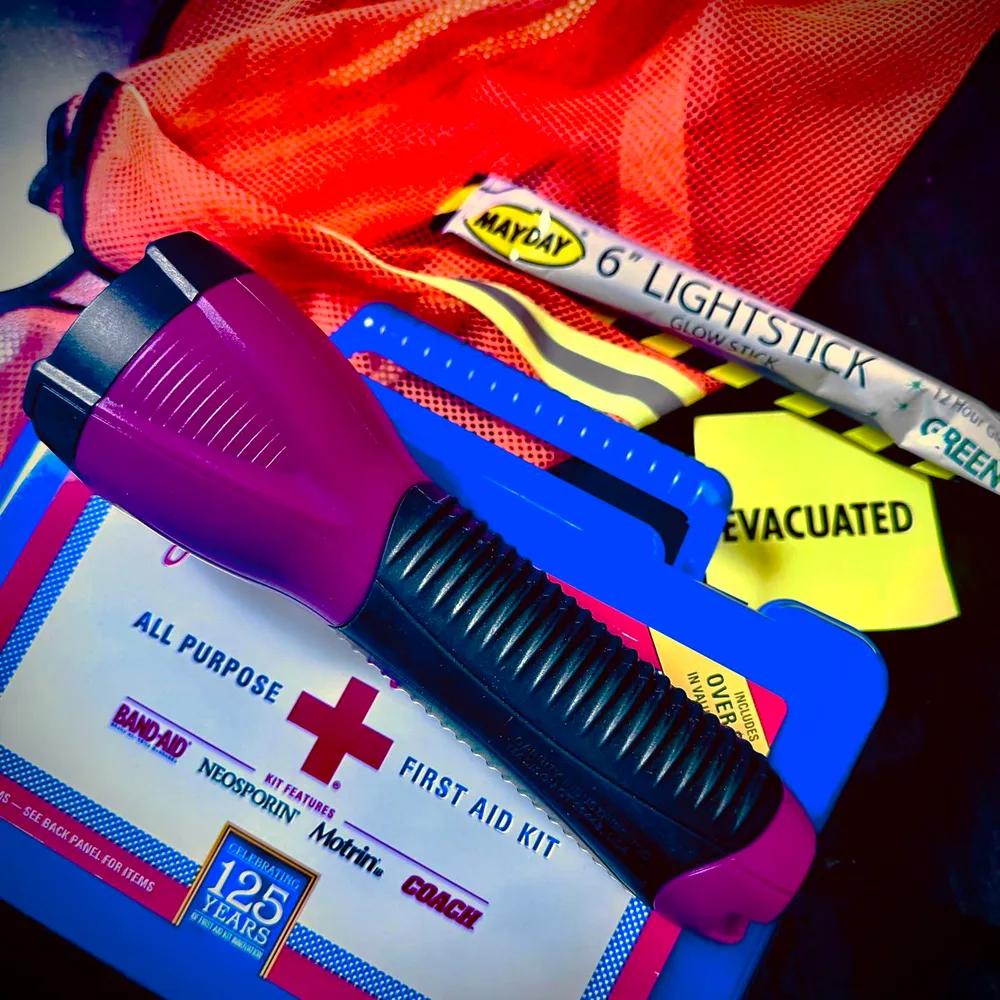
While it is impossible to truly know when a natural disaster will occur, chances of survival and safety are improved by taking steps such as making disaster preparedness kits, putting together a plan with loved ones, getting informed and getting involved to be ready at any time.
Making a kit simply means gathering supplies and keeping them on hand to be prepared whenever disaster strikes. Keeping a three-day preparedness kit in the vehicle and supplies at home and at work to cover five to seven days is ideal. Kits should be customized, which may mean including medications, extra glasses, food and diapers for a baby, or pet food, for example.
Making a plan includes deciding how to communicate with family if separated from each other and designating a place to reunite, among other arrangements.
Getting Informed
Getting informed can mean several things. One way to stay up to date on potential emergencies is by signing up for AC Alert, Alameda County's Mass Notification System. If county officials issue a notification about a potential safety hazard or concern, those registered will receive a message via the voicemail, text, and/or e-mail communication methods that they provided at registration.
In most cases, users can confirm that they have received the message, and the system will cease attempts to contact them, officials say. Go to www.acgov.org/ready/connect.htm to sign up for the service, which can be canceled at any time.
In addition to AC Alert, the Livermore-Pleasanton Fire Department recommends genasys Protect (formerly Zonehaven AWARE) for knowing your evacuation zone and real-time incident status.
“Together, AC Alert and genasys Protect help you prepare before, respond during, and recover after emergencies,” according to the LPFD website. “Knowing your zone in advance helps reduce confusion, avoid delay, and support orderly evacuations. Receiving timely alerts ensures you are aware of orders or instructions from public safety officials.”
Tips and best practices to get the most out of these tools include:
Share your zone information with family, neighbors, and caregivers so everyone knows where to go. Keep multiple communication methods active—do not rely on just one. When evacuations are ordered, leave promptly if your zone is affected; delays can pose serious risks. Be familiar with safe routes, shelter locations, and what to take in an evacuation bag.
Another way to get informed is by learning how to turn off the electricity, gas or water when necessary. If gas lines in a house rupture because of an earthquake, it is important to shut off the supply line to help prevent fires. At businesses, of course, the property management company oversees those elements, so those actions are already covered by their personnel.
For companies, getting involved also refers to giving and receiving additional training on what actions to take before, during and after a disaster. This could look like deciding, in advance, who will focus on business continuity and who will take care of making sure that staff and visitors to a business are safe. By establishing an evacuation team, a building coordinator, and floor wardens, for example, companies can make sure that during an emergency, everyone gets out safely.
While employee safety is most important, the ability of the business itself to survive can be enhanced significantly with proper planning as well. Businesses should be proactive, so that they can get up and running as quickly as possible after a disaster. Having continuity plans in place can make it possible for a business to eventually reopen despite being affected by an emergency.
Disaster Resources
A local resource for people who live and work in the area is The Tri-Valley Hazard Mitigation Plan, a collaborative document between the cities of Dublin, Livermore and Pleasanton designed to create a roadmap of how the communities work together to address hazards affecting the region. .
The Federal Emergency Management Agency (FEMA) encourages multi-jurisdictional planning for hazard mitigation.
For the Tri-Valley Local Hazard Mitigation Plan, a planning partnership was formed to leverage resources and to meet requirements of the federal Disaster Mitigation Act (DMA) for as many eligible local governments as possible.
The Disaster Recovery Journal is another resource for businesses. It provides key information for companies seeking to set up their own business continuity strategies. The DRJ offers readers information on potential dangers, services, industry trends, products and more. The Resources section of the website offers good practices related to business continuity, free white papers on a variety of relevant subjects, sample disaster recovery and business continuity plans currently used by a variety of institutions, a vendor directory, and even a glossary of terms used by specialists in the field.
Several other websites also provide useful information for disaster preparedness and recovery.
FEMA provides Family Emergency Plans, Emergency Supply Lists, and specialized brochures for pet owners, seniors, and people with disabilities. This information is also available in multiple languages.
There are also business-oriented materials such as Continuity Resource worksheets, Emergency Response Plans, a Business Impact Analysis worksheet, Risk Assessment Tables, and an Insurance Review worksheet.
The American Red Cross solicits funds and blood donations for disasters that may have already happened. Helpfully, the organization also offers tips on coping with disasters at home, school and the workplace in its Get Help section.
Listos California is an official State of California resource that offers an Emergency Alerts sign-up page to connect Californians to local alert systems based on zip code or location. It includes advice on how to prepare for wildfires, heat emergencies and more.
Disaster preparedness and response coordination is also an important focus for Hacienda. Disaster response coordination in the park is aided by Hacienda Security, which patrols the park 24/7, every day of the year. In the event of a major earthquake, for example, Hacienda tenants and owners will be able to receive updated information through the park's security network. Those same users will also be able to post inquiries or provide important information via the park’s Security Hotline at (925) 734-6520 or by emailing security@hacienda.org.
Hacienda's security network, which is used to help coordinate a response in the event of an emergency situation, consists of 24-hour contacts for all tenants and properties. Tenants and facility representatives who want to be a part of this network can contact the Hacienda Owners Association office for details at (925) 734-6500 or by emailing info@hacienda.org.
As a part of the communities' disaster response plan, LPFD has an active Community Emergency Response Team (CERT) program. The CERT program trains and supports members of the community to be effective emergency response volunteers in the event of a disaster, according to officials. Volunteers learn skills including “disaster medical care, light search and rescue, team organization,” and coordination with the Fire Department, they say. The LPFD usually conducts two CERT Classes a year: once in the Spring and again in the Fall.
More information about CERT is available at www.lpfire.org/emergency-preparedness/cert/.
For more tips about emergency preparedness, visit www.lpfire.org/emergency-preparedness/be-prepared/.
To sign up for Shakeout Day, visit www.shakeout.org/california.
The Tri-Valley Local Hazard Mitigation Plan is available for the public to view at www.lpfire.org/emergency-preparedness/city-preparation.
The Disaster Recovery Journal can be found at www.drj.com.
Access FEMA at www.ready.gov.
For more information about the American Red Cross, visit www.redcross.org.
The Listos California website is available at www.listoscalifornia.org.
Hacienda News and Information
Hacienda Online provides a great way to stay informed of all the latest at Hacienda


