


Native Wildlife Enriches Tri-Valley
Native Wildlife Enriches Tri-Valley
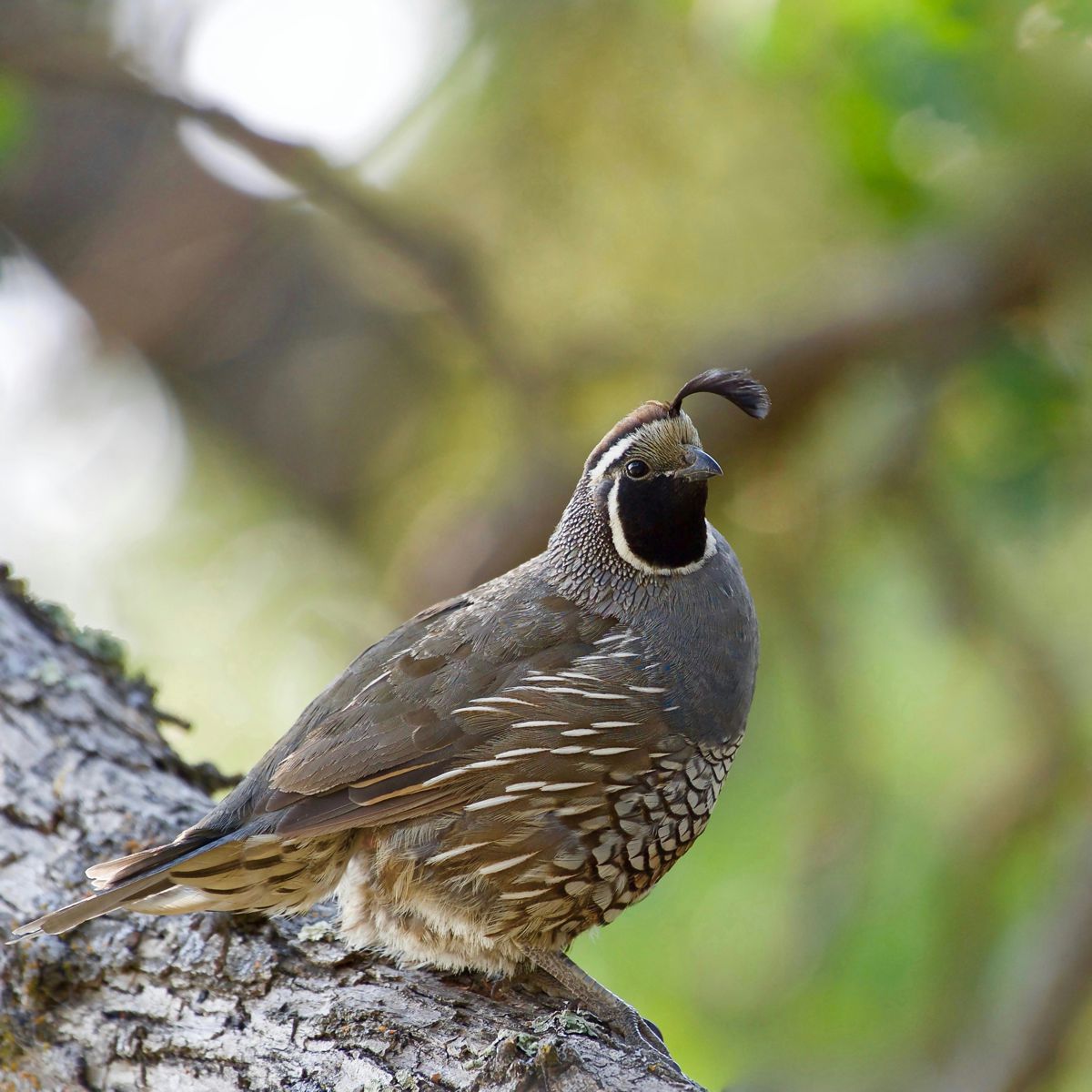
The Tri-Valley is celebrated as an innovation hub located in the heart of the Bay Area. Visitors and residents enjoy sunny days, mild weather, and the region’s natural beauty. Birdwatchers, hikers, and animal lovers also appreciate the Tri-Valley’s variety of wildlife. Rare and threatened species are among the animals that lucky observers may spot in the region. One of the largest nesting populations of golden eagles, for example, is located in the Tri-Valley, according to the Tri-Valley Conservancy (TVC), which protects open space for parks, farms, trails, ranches, and wildlife habitats in the area.
Thousands of Species
Tri-Valley Conservancy is a Livermore-based nonprofit land trust that protects more than 6,100 acres across the Tri-Valley region. Its mission is to promote economically sustainable vineyards and orchards, and increase permanently protected, biologically diverse open spaces. That biological diversity is responsible for the variation in species in the area. There is no guarantee that observers will get to see rare animals, but it can happen.
“There is an abundance of different wildlife to see in the Tri-Valley, from raptors to reptiles to amphibians to mammals to insects,” according to Tyler Gargiulo, TVC Stewardship Associate Manager. “The Tri-Valley and surrounding areas can cater to many of your naturalist and wildlife viewing needs. You will need to be patient, observant, and have a little bit of luck to see all the wildlife that the area has to offer.”
The East Bay Regional Park District (EBRPD), which was founded in 1934, is home to more than 4,000 species of wildlife. An estimated 80 of them have some level of legal protection as special status species, according to EBRPD specialists. They note that EBRPD lands are home to endangered Ridgway’s rails, threatened California red-legged frogs, protected birds like bald and golden eagles, and mammals like coyotes, bobcats, skunks, and deer. Some of these animals, like the threatened Alameda whipsnake, exist only in the East Bay and nowhere else.
The kind of wildlife observers can spot depends on exactly where they are looking. According to specialists in EBRPD’s Stewardship Department, visitors may see thousands of shorebirds and ducks feeding and resting in the waters, mudflats, and marshes of the area’s shoreline parks. Observers might also spot a glimpse of newts on their annual migrations to breeding ponds in the Oakland hills parks. Especially lucky viewers in the larger and wilder parks such as Sunol and Pleasanton Ridge may even spot a mountain lion.
In daily life, it is often difficult to see individual animals at specific times in particular places. A region-specific website, however, allows users to see a variety of animals from the area. A range of Tri-Valley fauna and flora can be explored in the Pleasanton Ridge Regional Park Check List on iNaturalist.org, a nonprofit that allows people to share images and information about the animals and plants they have seen.
Mammals that have been recorded at Pleasanton Ridge Regional Park, a part of the district, include squirrels, rabbits, hares, voles, gophers, and skunks. A bobcat, mountain lion, coyote, gray fox, and mule deer have been spotted as well. Snakes, salamanders, lizards, frogs, and toads are also on the list, along with a bevy of birds. They include the great horned owl, acorn woodpecker, American kestrel, red-tailed hawk, yellow-rumped warbler, spotted towhee, and more.
Habitat Preservation Is Key
Wildlife and habitat experts use their knowledge to help protect the species living in the East Bay and Tri-Valley. The Tri-Valley is home to many government agencies, academic groups, and nonprofit organizations working to maintain native wildlife in part by protecting and managing habitats. TVC, for example, was originally established in 1994 under a different name. For 32 years, the nonprofit has labored to preserve local lands and vulnerable animals. The San Joaquin kit fox, the smallest fox on the continent, is one of the endangered species native to the Tri-Valley area.
“American badgers and Tulle elk, which used to make their home in the Tri-Valley, are beginning to make a comeback thanks to open space protection and habitat management,” according to experts at TVC. “Through continued land protection and habitat management, the San Joaquin kit fox and other threatened and displaced wildlife like it will make a comeback here, too.” The East Bay Stewardship Network (EBSN), a newer entity, is a coalition of agencies and organizations caring for over 250,000 acres of interconnected land in the East Bay area. The network’s shared mission is “to support thriving ecosystems and climate adaptability across East Bay landscapes,” according to officials. That acreage adds up to roughly 25% of Alameda and Contra Costa Counties, and provides habitat for more than 200 threatened and endangered species and 24 plant communities.
Core members of EBSN are land management agencies and organizations, special districts, nonprofits, and academic institutions. They include the Alameda County Resource Conservation District, the Contra Costa Resource Conservation District, John Muir Land Trust, and EBRPD. The EBSN has a variety of projects, and also provides ways for others to support specific projects or programs, regional research, public education, and community engagement work.
Recently the network launched its first website, which includes access to NatureCheck, a ground-breaking analysis of public land in the East Bay that owes much of its concept and design to similar efforts by OneTam, the San Diego Association of Governments, and others who have completed regional ecological health assessments, according to EBRPD Wildlife Biologist Natalie Reeder.
NatureCheck was originally published as a first-of-its-kind report on the East Bay by the EBRPD in April 2022. The 364-page report assessed the ecological health of 225,000 acres of public land in the East Bay thanks to EBRPD’s partnership with California State Parks, East Bay Municipal Utility District, Contra Costa Water District, and San Francisco Public Utilities Commission. In the future, NatureCheck indicators will be updated on the website instead of being published as a lengthy and difficult-to-read report. As the website notes, some trends are only possible to detect with long-term monitoring. Keeping NatureCheck research updated will help reveal such trends and improve stewardship of the land.
The East Bay Wildlife Connectivity Project is designed to protect wildlife through the design and placement of three new wildlife crossing structures that link critical habitats across Alameda County’s highways. These crossings will ensure “ecological resilience while reducing risks for both wildlife and motorists,” according to officials of the Alameda County Resource Conservation District, the agency leading the effort, which is also part of EBSN.
“We live in the natural world,” notes Reeder. “Having intact and healthy ecosystems gives us all cleaner water, cleaner air, and fewer invasive species. So we all benefit from having an intact ecosystem, whether we know it or not.” Park visitors can do their part to protect wildlife and their habitats in several ways. Reeder recommends that visitors follow basic rules of good behavior. Never feeding wildlife, always disposing of any trash effectively, and picking up after dogs are simple ways to help native animals thrive.
Preserving and protecting such areas has deep community support. A survey commissioned by TVC to assess community priorities found that an overwhelming majority of Tri-Valley voters believe open space should be a top priority when it comes to land use. Fully 80% of respondents indicated that the issue was extremely or very important to them, according to survey results released in May 2026.
"These results confirm that the community’s values are aligned with Tri-Valley Conservancy’s core mission to protect both open space and agriculture," according to Rebecca Spector, TVC Executive Director. "It’s clear that preserving our open spaces, supporting local agriculture, and protecting wildlife are top priorities for the people who live here." Efforts to protect wildlife have been ongoing for decades. In the case of the EBRPD, that work has taken place over nearly 100 years. EBRPD officials, TVC staff and volunteers, EBSN, other nonprofits, and community supporters are doing their best to protect the region’s lands. As a result, residents and visitors should be able to enjoy the benefits of the Tri-Valley’s range of wildlife for many more years to come.
“All of us in the Bay Area benefit from beautiful open spaces,” says Reeder. Those open spaces are more fun, interesting, and exciting because of the plants and animals that live there. We want everybody to have this incredible, intact, highly native ecosystem that they can enjoy, and that their future generations can enjoy.”
For more information about the Tri-Valley Conservancy, please visit www.trivalleyconservancy.org or https://www.instagram.com/trivalleyconservancy. For more information about the East Bay Regional Park District, please visit www.ebparks.org, www.facebook.com/EastBayParks, www.instagram.com/ebrpd, www.youtube.com/c/eastbayregionalparks, or www.linkedin.com/company/east-bay-regional-park-district. For more information about the East Bay Stewardship Network, please visit www.eastbaystewardship.org.
For more information about the East Bay Stewardship Network, please visit www.eastbaystewardship.org. For more information about NatureCheck, please visit www.eastbaystewardship.org/nature-check.
Photo by Vijayalakshmi Nidugondi on Unsplash