


Pleasanton Approves Plan to Secure Future Water Supply
Pleasanton Approves Plan to Secure Future Water Supply
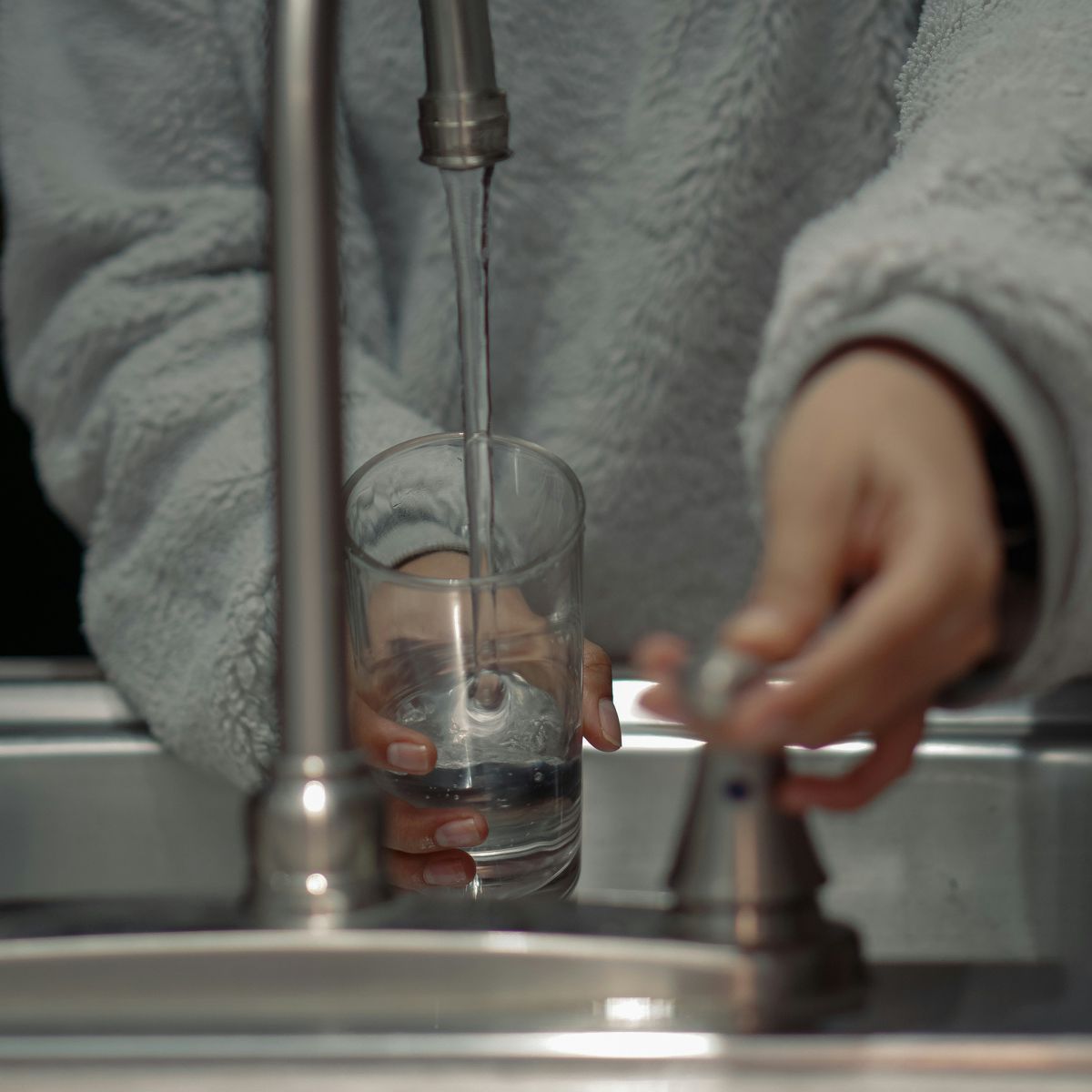
In order to thrive, every society needs to discover or develop an ample supply of potable water, create and maintain a water management system, and transport water to where it is needed. In ancient times, the Minoans on the Greek island of Crete reportedly built the earliest aqueducts. Romans famously used aqueducts to move fresh water to denser settlements. The subsequent millennia have seen amazing progress in building and maintaining reliable infrastructures for delivering adequate supplies of clean water. Even so, cities and regions continue to face challenges in providing ample supplies to the populace. Experts note, for example, that water supplies are never 100% pure. That is why regulations ensure water quality by setting a limit on the amount of harmful substances drinking supplies contain.
Water Vital to California and Tri-Valley
The history of water use, quality, rights, and weather in California is also a history of problems, partnerships, innovations, and infrastructure. This describes the water situation in the Tri-Valley as well. One response to regional water challenges, including drought, has been the development of The Tri-Valley Water Partners. The organization is the result of a collaborative effort between the region’s water wholesaler, Zone 7 Water Agency, and local water retailers to address the area's collective water needs now and in the future.
In the Tri-Valley, Zone 7 Water Agency serves as the wholesale water provider, securing and importing water for the region, managing the local groundwater basin, and treating water at two treatment plants. Residents in the cities of Livermore, Pleasanton, Dublin, and Dougherty Valley then receive that water directly to their taps. The water retailers comprise California Water Service (Cal Water), the City of Livermore, the City of Pleasanton, and the Dublin San Ramon Services District.
The Tri-Valley, like the state itself, faces a variety of challenges to its water system and supply. One issue is the source of the region’s water. “The Tri-Valley relies heavily on imported water through the California State Water Project, due to historic over pumping of the local groundwater basin,” according to information from the Tri-Valley Water Partners. “In the early 1960s, Zone 7 partnered with the State of California to receive imported water to help manage the local groundwater basin and provide critical drinking water supply. This impacts the cost of delivering our water, and leaves us vulnerable to long term reliability concerns. Our current system provides us with limited local control because so much of our water comes from outside the region.”
In addition to droughts, climate change, and contamination, the aging State Water Project infrastructure is also a potential risk to the region’s water supply, according to the Water Partners. “After working around the clock for more than 60 years, the State Water Project infrastructure is aging and at risk of failure.” Investment in the infrastructure, the group says, will ensure the system can continue delivering water to more than 25 million Californians, including residents and businesses in the Tri-Valley.
Pleasanton and Zone 7 Plan for the Future
Regional entities are not responsible for the State Water Project as a whole. But they can work to protect the future water supply within their areas of influence. In April 2026, for example, the Pleasanton City Council unanimously voted to move forward with implementing the Joint Groundwater Supply Project in partnership with Zone 7 Water Agency. Pleasanton’s official statement on the matter called the approval “a major step toward restoring a reliable, long-term local water supply.”
Historically, local groundwater has made up an estimated 20% to 30% of Pleasanton’s annual water demand. In 2022, per- and polyfluoroalkyl substances (PFAS) were found in Pleasanton’s three local groundwater wells. As a result, the city was forced to rely solely on purchasing wholesale water from Zone 7, city officials note. “This shift increased water supply and distribution costs, contributed to higher water rates, and raised concerns about long-term reliability and drought resilience.”
In response, city officials launched the Pleasanton Water Supply Alternatives Study in October 2022. The study was intended to help officials determine the best way to ensure ample supplies of water going into the future. The options analyzed included “rehabilitating the city’s existing wells with PFAS treatment, developing new groundwater wells, and continuing to rely entirely on purchased water from Zone 7,” officials say. “The study identified the development of new groundwater wells in Pleasanton as the most economical and reliable long-term path forward. As part of that effort, the City and Zone 7 completed a joint feasibility study in December 2025 to evaluate new groundwater wells in the Bernal Subbasin. The study found that a joint groundwater project is viable and identified Tennis Park and Hansen Park as feasible locations for new wells that can provide a sufficient water supply while maintaining water quality and long-term groundwater sustainability.”
Choosing to partner with Zone 7 on the two new wells should reduce future water supply costs compared to purchasing all water from external sources, according to city officials, but the actual financial benefit will depend on factors such as water demand, operating costs, and future water supply conditions. One reason for the lower cost is that the locations of the new wells are close to existing Zone 7 water system infrastructure. “By connecting these wells to Zone 7's existing system, the city doesn't need to build its own treatment facility or install longer pipelines,” according to Ken Minn, Zone 7 Water Resources Manager. “It's a little like adding a couple of train cars to an existing train instead of buying a new train, laying new track, and hiring a new crew. We can build on infrastructure that's already in place, expanding our existing facilities to accommodate the additional supply. That approach is more efficient and makes the best use of public resources.”
“One of the key goals of the project is to improve drought resilience,” notes Siew-Chin Yeong, Director of Public Works for the City of Pleasanton. “The new wells will help restore Pleasanton’s access to groundwater, allowing the City to once again use its historical groundwater pumping allocation of approximately 3,500 acre-feet per year. This allocation will be committed to the city as part of a forthcoming agreement with Zone 7. Having access to both imported water and local groundwater gives the city a more diversified and reliable water supply portfolio during drier years.”
Zone 7 also benefits from the plan, Minn says. “This project reflects the longstanding partnership between the City of Pleasanton and Zone 7 and our shared commitment to providing reliable water for the community. These wells will serve the Tri-Valley for decades, strengthening regional water supply reliability while making the best use of existing infrastructure. By working together, both agencies are able to deliver long-term benefits for the community.”
The City Council decided to approve the project reasons beyond the cost savings. “The recommended joint groundwater project is based on extensive technical and financial due diligence done by the city to identify the best long-term water supply solution for Pleasanton,” notes Yeong. “The joint groundwater project restores access to an important local water source that Pleasanton lost when its wells were taken offline due to PFAS contamination. Moreover, the selected project builds on the city’s partnership with Zone 7 to provide the best overall balance of reliability, sustainability, drought resilience, community impact, and cost.”
The history of the state, the Tri-Valley, and the City of Pleasanton make it clear that access to water will be an issue from time to time. That truth is not being ignored by Tri-Valley agencies or local officials, who are working hard to guarantee access to ample water supplies now and in the future.
“The Zone 7 Board of Directors and staff are committed to delivering safe, reliable, efficient, and sustainable water to our community,” Minn adds. “Protecting public health and ensuring long-term water reliability are at the heart of everything we do, and that commitment will continue to guide our work for generations to come.”
For more information about the Zone 7 Water Agency, please visit www.zone7water.com.
For information from Zone 7 about water conservation and rebates, please visit www.zone7water.com/conservation-and-rebates.
For more information about Tri-Valley Water Partners, please visit www.trivalleywater.org.
For information about City of Pleasanton water-related rebates and services, please visit www.cityofpleasantonca.gov/our-government/pleasanton-water/water-conservation-programs.
For information about Hacienda sustainability efforts, including water conservation, please visit www.hacienda.org/location/project-overview/sustainability.